ELEGOO has released the data layout and communication rules behind the RFID tags on its filament spools and is asking developers, users and equipment makers for feedback. The move is tied to its upcoming automatic filament switching system. The company says it wants cross-brand compatibility in a market where RFID filament identification is currently proprietary.
What does the RFID tag do in ELEGOO's filament system?
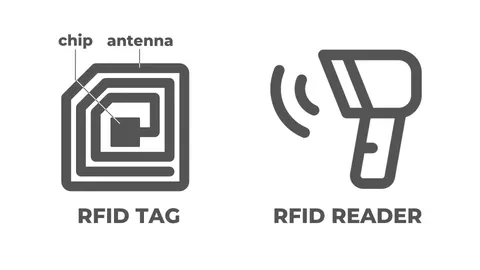
Each spool carries a unique tag holding details such as material type, colour, brand and weight. When a spool is placed in a slot of the automatic filament switching system, a built-in reader picks up this information, so users do not have to enter it by hand. ELEGOO says this reduces input errors and omissions.
Why open the format?
ELEGOO states that RFID filament identification today relies on closed solutions, with brands using their own encoding, which makes spools incompatible across vendors. By publishing its format, the company wants filament makers, equipment vendors and technically minded users to produce or adapt compatible spools without barriers. It names cross-brand compatibility, shared standards that cut duplicate development work, and community-driven improvement as goals.
What feedback is requested?
The main question is the tag layout: how many bytes each field such as material, colour or batch should receive, and which fields should stay reserved for later extensions. ELEGOO also welcomes general comments on applications and precautions. The format is on ELEGOO's GitHub, and feedback can be sent as a GitHub issue or as a comment under the company's call for feedback on its social media channels.
What it means
For small manufacturers running desktop or prototype fleets, an open tag format could eventually make spool tracking and material records less dependent on one vendor. The practical value depends on whether other filament makers and printer brands adopt it, which is not yet shown. Industrial users needing traceable material data should treat this as a consumer-level development for now.
Frequently asked questions
What information is stored on ELEGOO's filament RFID tags?
Each spool's tag can hold details such as filament type, colour, brand and weight, which the reader in the filament switching system picks up automatically.
Why is ELEGOO making the format open?
ELEGOO says current RFID filament systems are closed and incompatible across brands. It wants to enable cross-brand use and shared standards.
How can people give feedback?
By submitting a GitHub issue in ELEGOO's RFID section or by commenting on the company's call-for-feedback post on social media.
This summary was written with the help of AI from the linked reports, under the editorial responsibility of Svetozar Kolesar.